


MS Orientation 2026: Beginning the MS Journey at SDSB

Share


The Suleman Dawood School of Business (SDSB) welcomed the incoming cohorts of its four Master of Science programmes—MS Financial Management, MS Technology Management and Entrepreneurship, MS Healthcare Management and Innovation, and MS Supply Chain and Retail Management with an orientation programme designed to introduce students to the academic environment, professional opportunities and community that will shape their experience at LUMS.
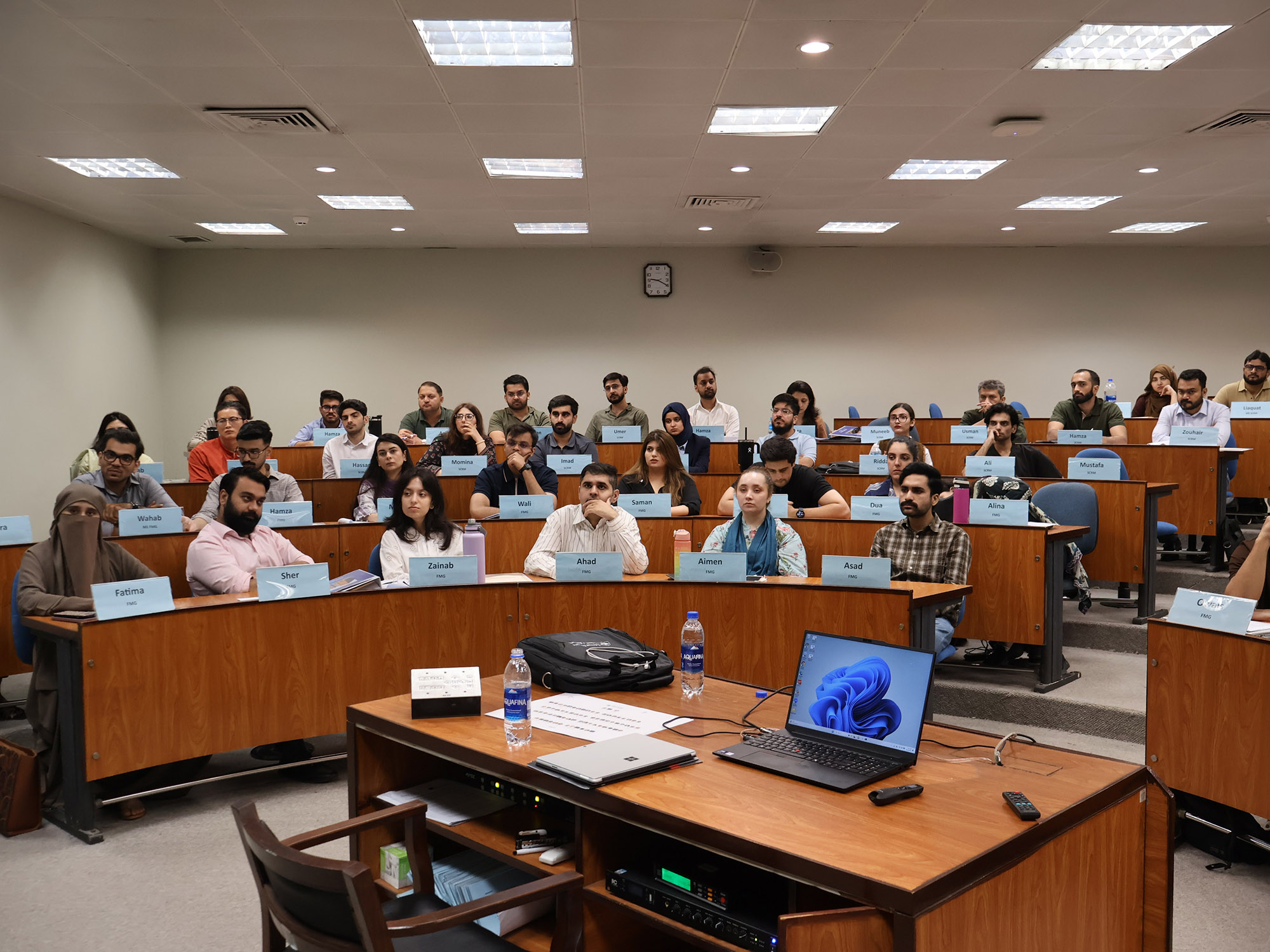
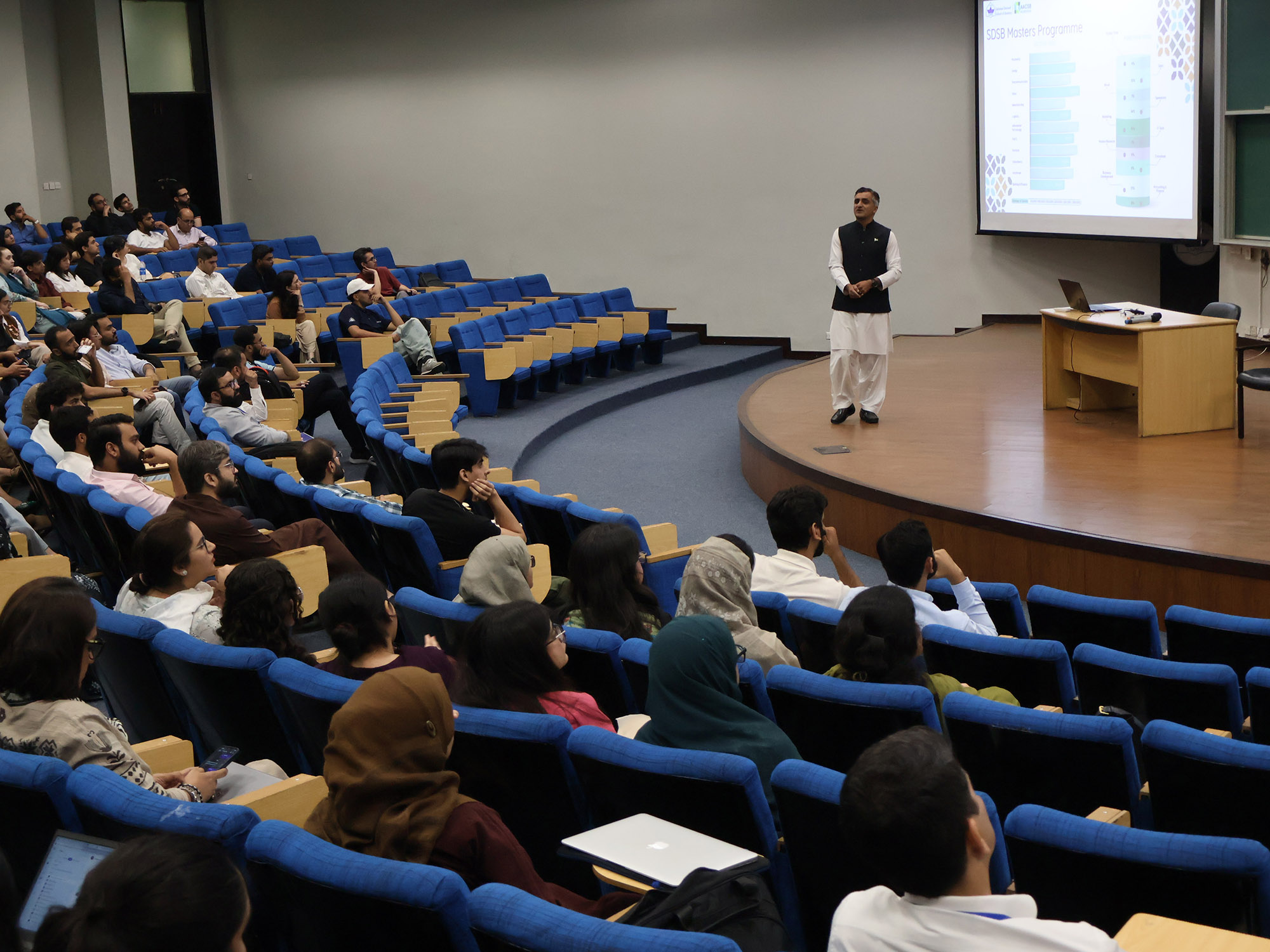
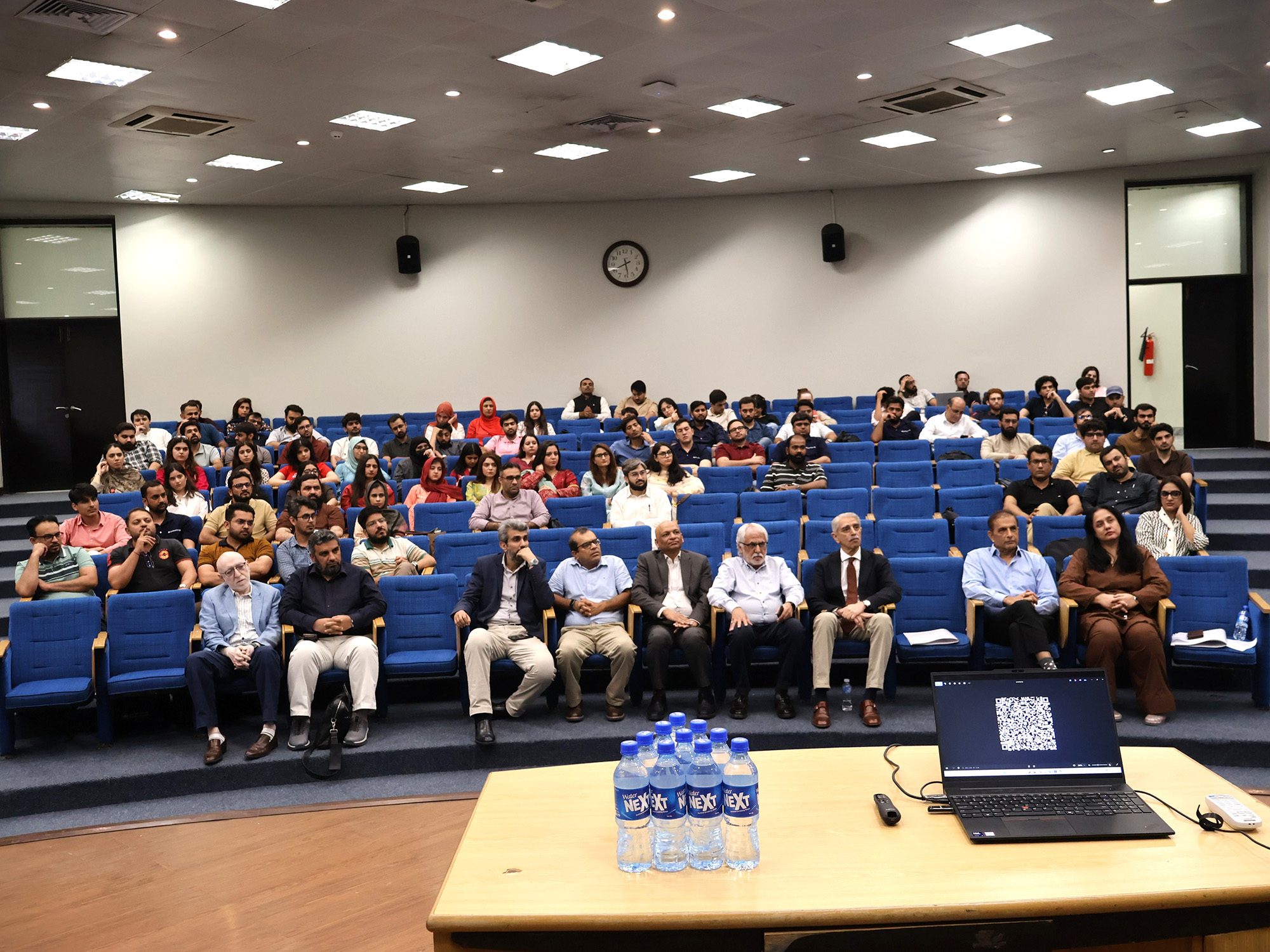
The orientation brought together students from across the four programmes for a series of academic, professional and community-focused sessions. Together, these provided an early introduction to the expectations of graduate study at SDSB while giving students a sense of how their specialised programmes connect with the broader learning experience of the School.
Experiencing the SDSB approach to learning
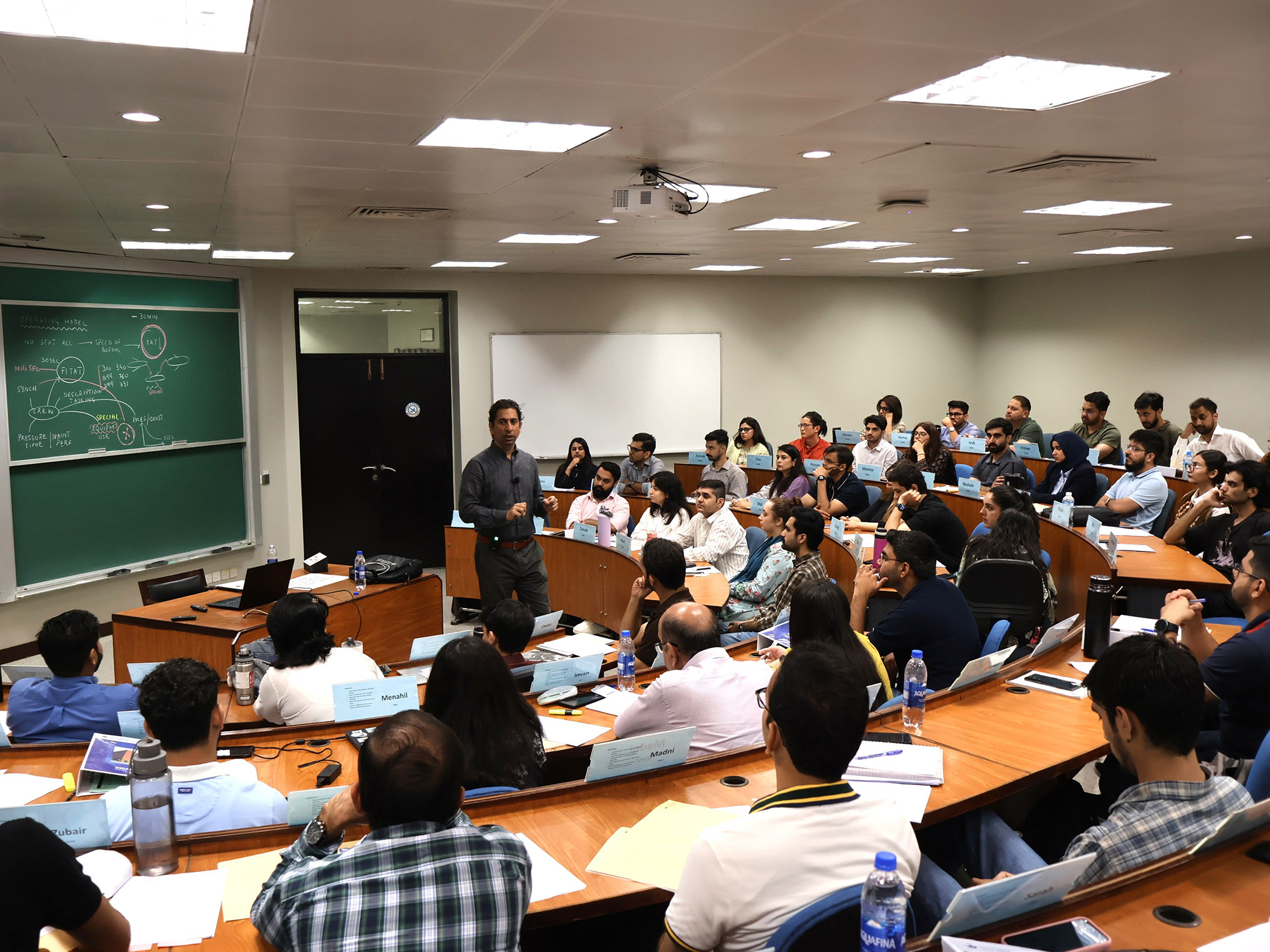
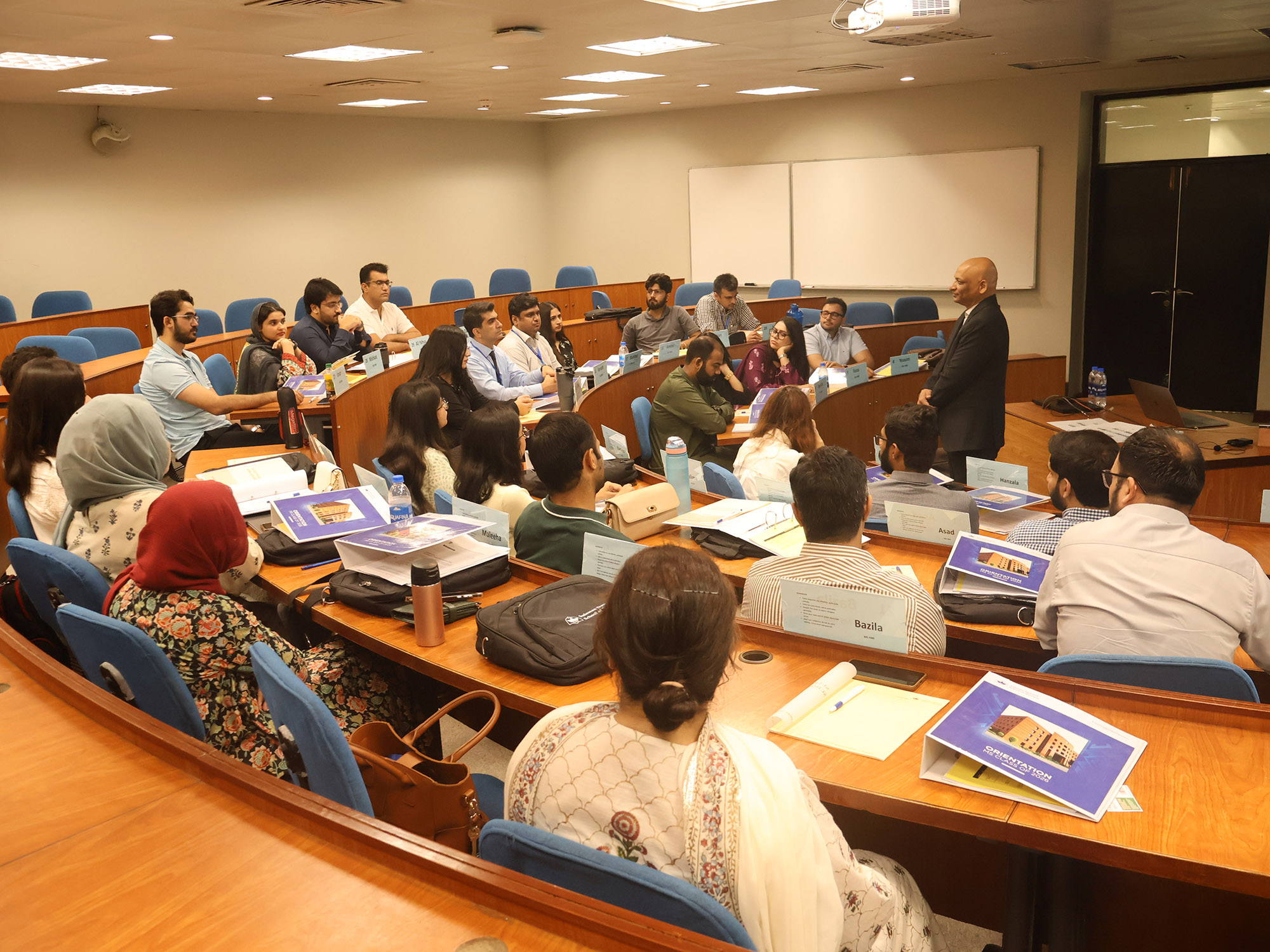
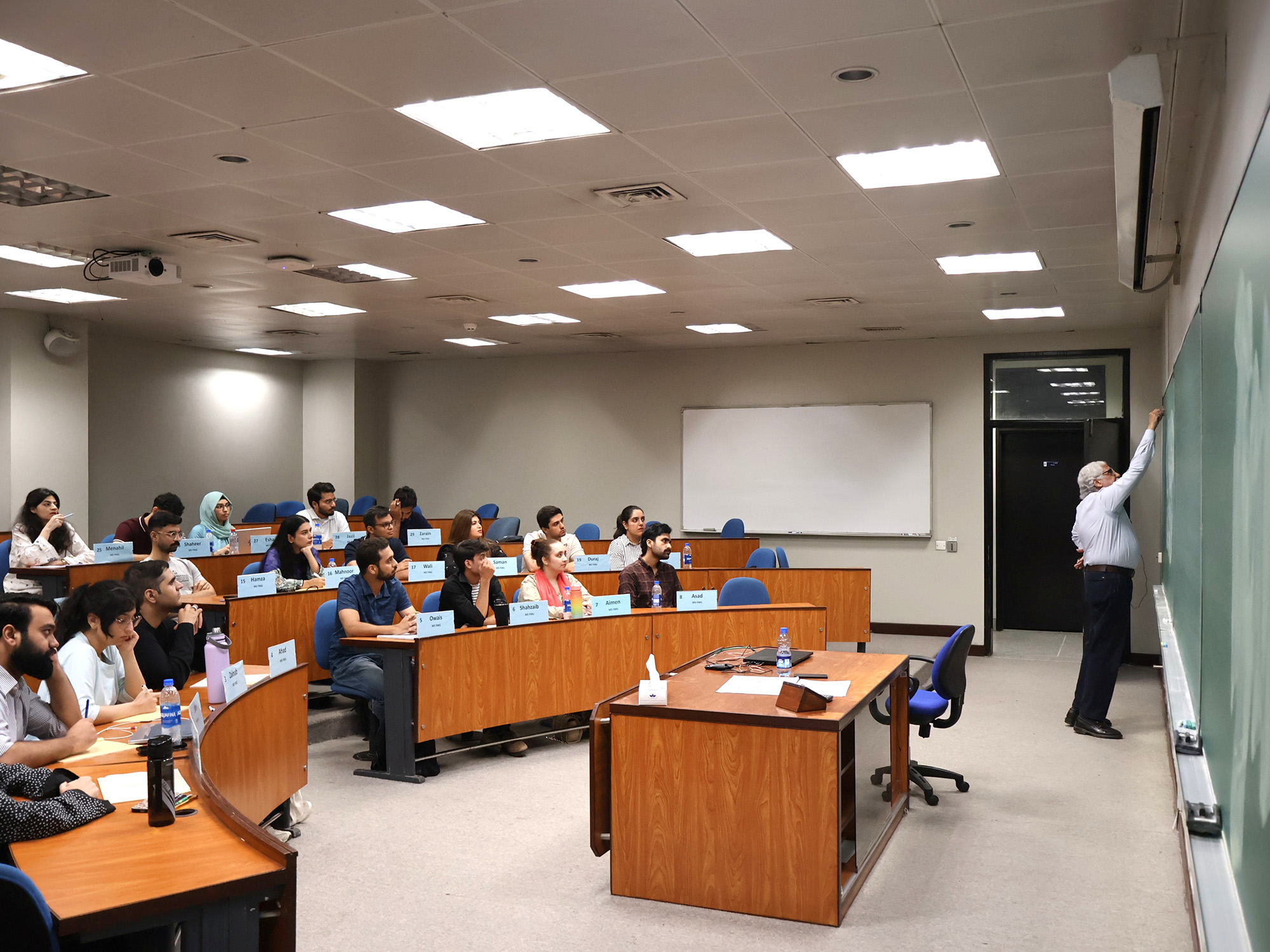
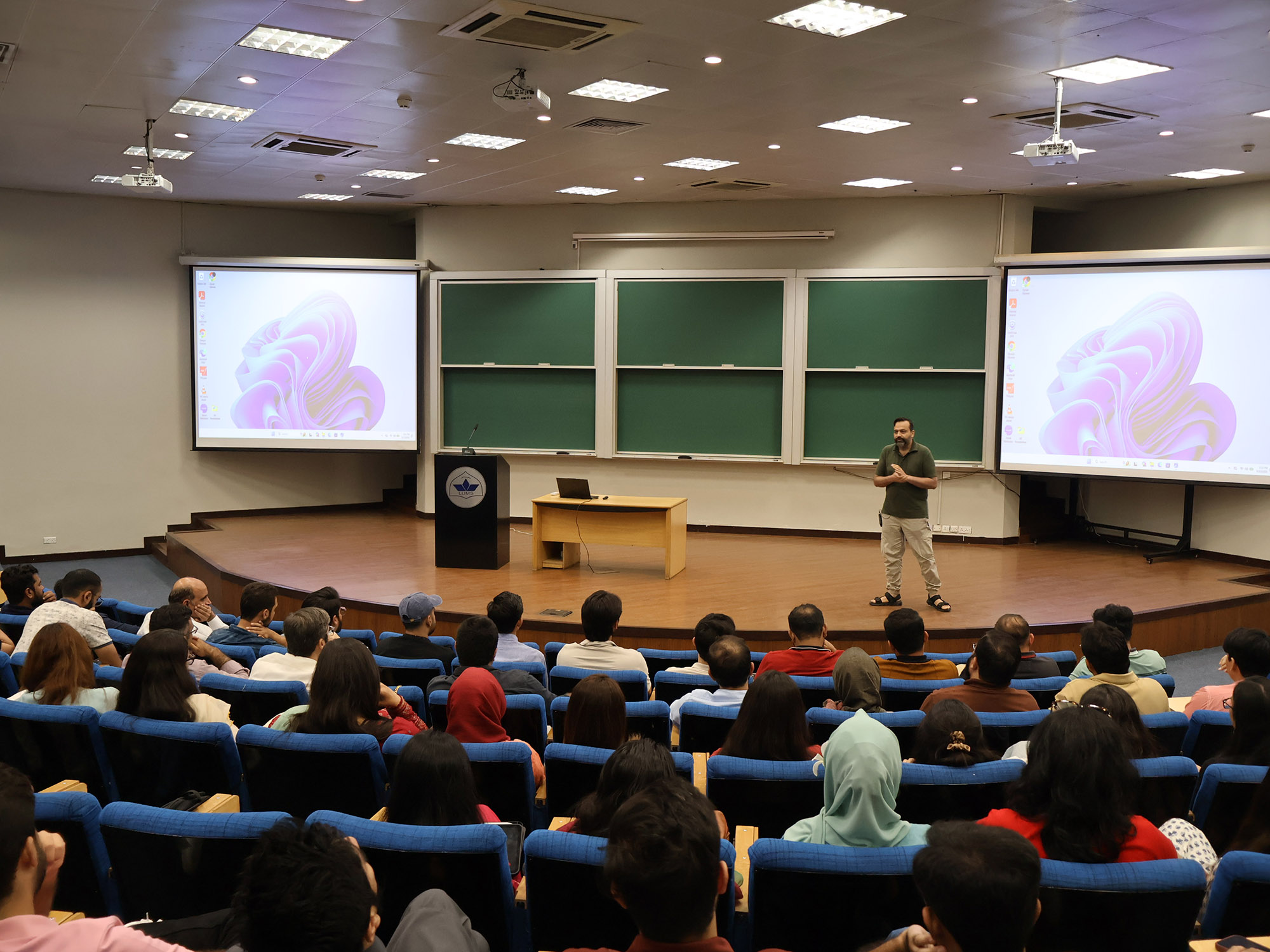
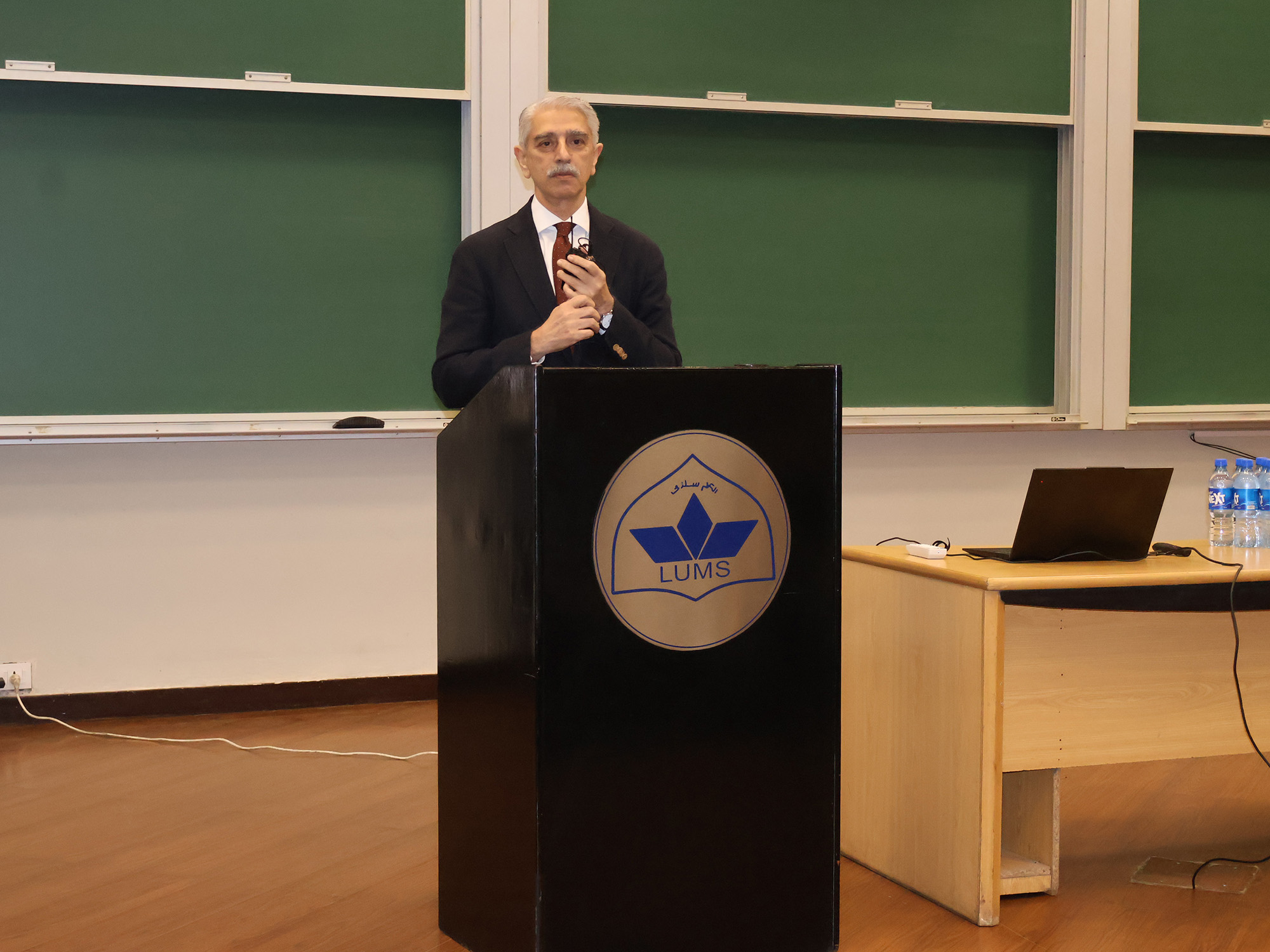
An important part of the orientation was introducing students to participant-centred learning, a defining feature of the SDSB classroom experience. Led by Dr. Shakeel Sadiq Jajja, the sessions moved beyond an explanation of the approach to give students an opportunity to experience it through a case discussion and debrief.
The format placed students in the role they will increasingly occupy throughout their programmes: active participants in the learning process. Rather than simply receiving information, students were encouraged to examine a situation, consider different perspectives, articulate their reasoning and reflect on the discussion that followed.
For students beginning specialised master's programmes, this provided an early indication of the relationship between academic knowledge and managerial judgement that underpins graduate education at SDSB. It also established the importance of learning with and from peers whose professional experiences, perspectives and areas of expertise may differ from their own.
Connecting specialised learning with real-world challenges
While the four programmes have distinct areas of focus, the orientation reflected a shared emphasis on connecting specialised knowledge with the realities of organisations and industries.
These specialised pathways reflect the breadth of contemporary management education at SDSB, where students develop expertise in fields undergoing significant organisational and technological change while building a common foundation in management.
The orientation thus offered more than an introduction to individual programme structures. It gave students an early sense of how their areas of specialisation will be approached within a business school environment that places emphasis on application, discussion and engagement with current organisational challenges.
Developing judgement, ethics and responsibility
Academic preparation was complemented by a strong emphasis on the responsibilities that accompany professional education.
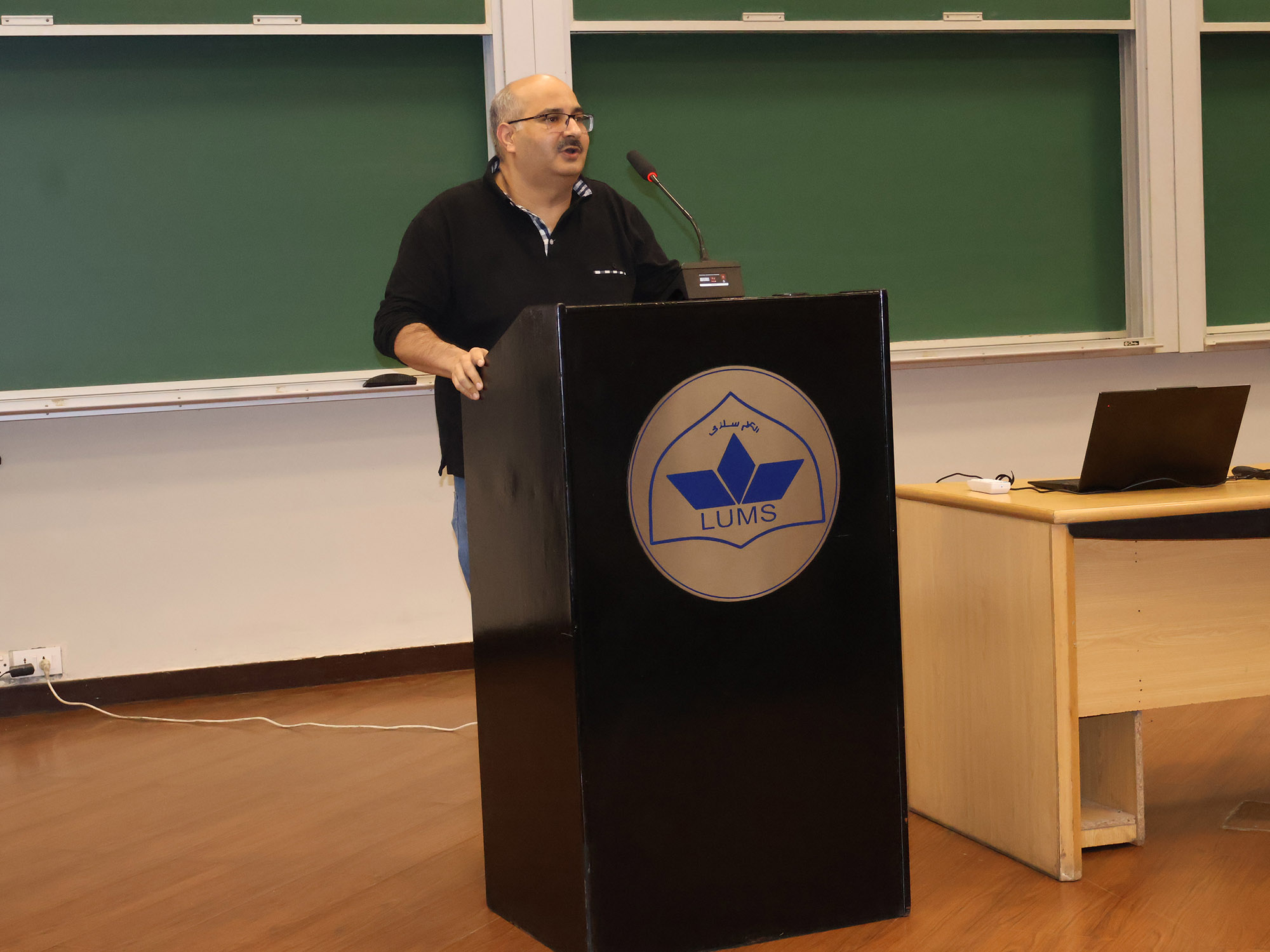
Sessions on ethical deliberations and values, ethics and disciplinary processes invited students to consider the role of judgement and responsibility in organisational and professional life. Rather than treating ethics as separate from management, the orientation positioned ethical reasoning as part of the decisions students will encounter as future professionals and leaders.
This was reinforced through an introduction to the principles and processes that contribute to a safe and respectful campus. Together, these sessions established expectations around conduct and community while encouraging students to recognise their role in maintaining an environment in which different perspectives can be expressed and respected.
Building teams and a community of peers
The orientation also created opportunities for students to begin developing the relationships that will form an important part of their graduate experience.
Team-building activities were incorporated into the programme-specific orientations, allowing students to begin working together and establishing connections within their cohorts. These early interactions are particularly significant in a graduate environment where learning extends beyond formal classroom sessions and where students bring professional and personal experiences that can enrich collective discussion.
The incoming cohorts were also welcomed by the Dean and introduced to student representatives, providing opportunities to understand the wider SDSB and LUMS community and the role students can play in shaping campus life. A campus tour further helped students familiarise themselves with the environment in which they will study, collaborate and participate in university life.
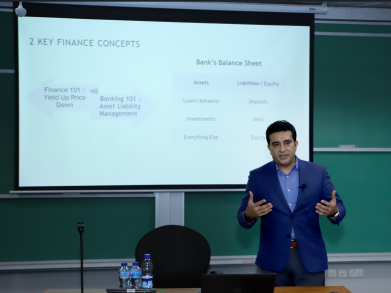
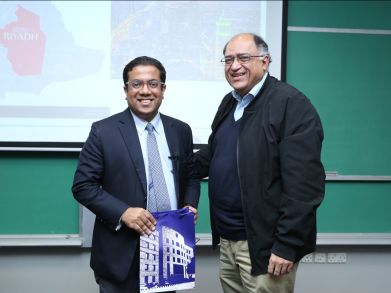
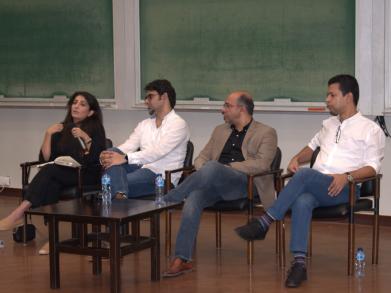
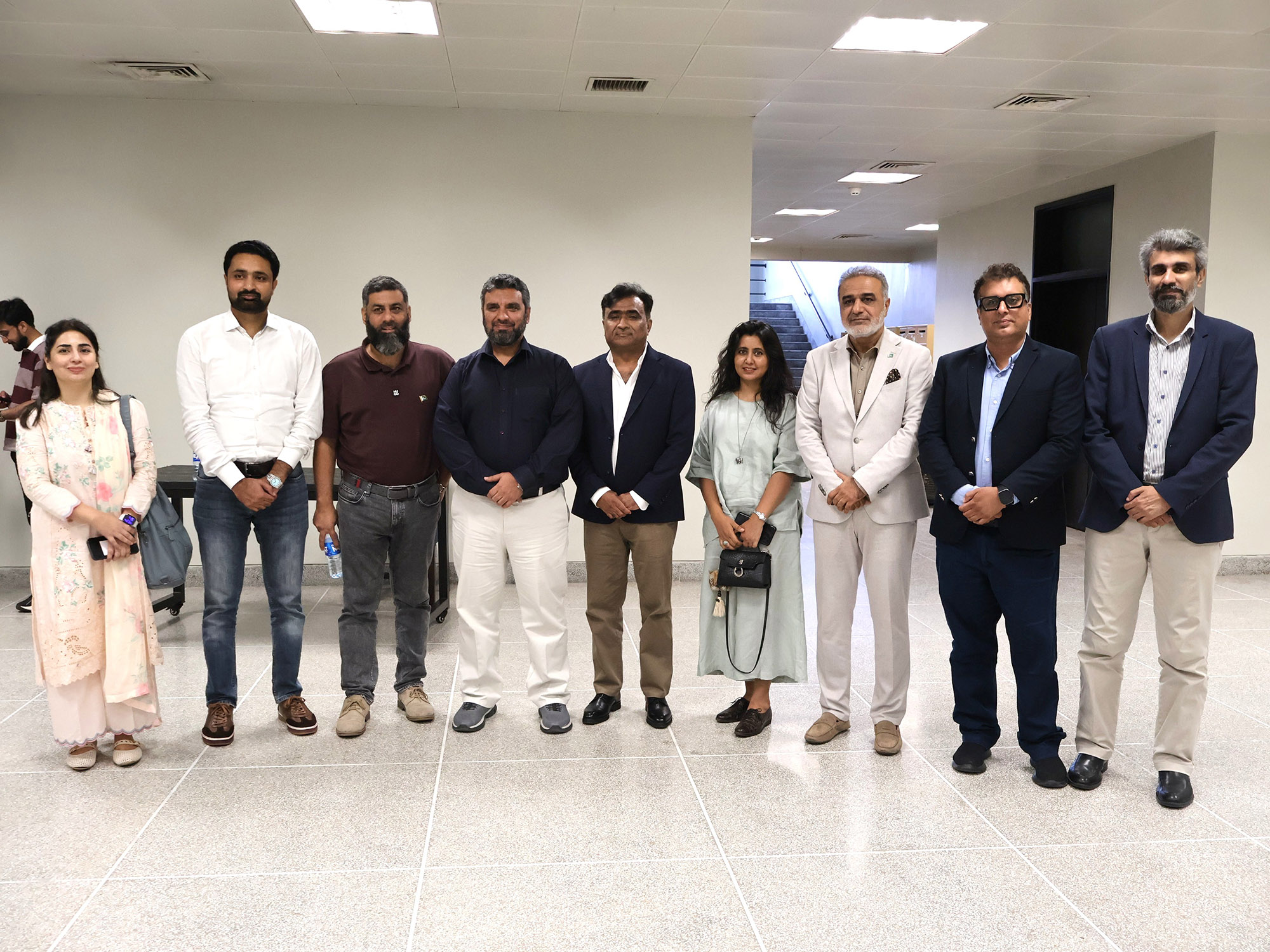
The orientation also brought students into contact with the academic and industry leadership of their respective programmes:
Preparing for the experience beyond the classroom
The orientation introduced students to the resources and support systems available to help them navigate graduate study at LUMS. Sessions with the SDSB Placement Office, Library and Information Technology Services provided practical guidance on career support, academic resources and the digital tools students will use during their programmes.
Attention was also given to student wellbeing, including an introduction to resources supporting mental wellness and mindfulness. These sessions complemented discussions on academic and professional expectations by recognising that a meaningful graduate experience depends not only on what students learn, but also on the environment and resources that enable them to engage fully with that learning.
The involvement of student representatives further reinforced the idea of the university as a community in which students have a role to play. By introducing incoming students to opportunities for participation and collaborative governance, the orientation extended beyond programme induction to the wider experience of being part of LUMS.
A shared beginning across four programmes
Although the four MS programmes prepare students for different professional contexts, the orientation established a common foundation across the incoming cohorts. Students began their journey with an introduction to SDSB's approach to learning, opportunities to build relationships with peers, exposure to current issues within their respective fields, and a clearer understanding of the academic, professional and community resources available to them.
In this sense, orientation marked the beginning of more than a new academic programme. It introduced students to a way of learning that asks them to engage actively, think critically, work collaboratively and consider the wider implications of managerial decisions.
As the new cohorts begin their studies in Financial Management, Technology Management and Entrepreneurship, Healthcare Management and Innovation, and Supply Chain and Retail Management, they do so as part of a shared MS community at SDSB—bringing different professional interests and ambitions into an environment designed to broaden perspectives, deepen expertise and connect learning with practice.
The orientation brought together students from across the four programmes for a series of academic, professional and community-focused sessions. Together, these provided an early introduction to the expectations of graduate study at SDSB while giving students a sense of how their specialised programmes connect with the broader learning experience of the School.
Experiencing the SDSB approach to learning
An important part of the orientation was introducing students to participant-centred learning, a defining feature of the SDSB classroom experience. Led by Dr. Shakeel Sadiq Jajja, the sessions moved beyond an explanation of the approach to give students an opportunity to experience it through a case discussion and debrief.
The format placed students in the role they will increasingly occupy throughout their programmes: active participants in the learning process. Rather than simply receiving information, students were encouraged to examine a situation, consider different perspectives, articulate their reasoning and reflect on the discussion that followed.
For students beginning specialised master's programmes, this provided an early indication of the relationship between academic knowledge and managerial judgement that underpins graduate education at SDSB. It also established the importance of learning with and from peers whose professional experiences, perspectives and areas of expertise may differ from their own.
Connecting specialised learning with real-world challenges
While the four programmes have distinct areas of focus, the orientation reflected a shared emphasis on connecting specialised knowledge with the realities of organisations and industries.
These specialised pathways reflect the breadth of contemporary management education at SDSB, where students develop expertise in fields undergoing significant organisational and technological change while building a common foundation in management.
The orientation thus offered more than an introduction to individual programme structures. It gave students an early sense of how their areas of specialisation will be approached within a business school environment that places emphasis on application, discussion and engagement with current organisational challenges.
Developing judgement, ethics and responsibility
Academic preparation was complemented by a strong emphasis on the responsibilities that accompany professional education.
Sessions on ethical deliberations and values, ethics and disciplinary processes invited students to consider the role of judgement and responsibility in organisational and professional life. Rather than treating ethics as separate from management, the orientation positioned ethical reasoning as part of the decisions students will encounter as future professionals and leaders.
This was reinforced through an introduction to the principles and processes that contribute to a safe and respectful campus. Together, these sessions established expectations around conduct and community while encouraging students to recognise their role in maintaining an environment in which different perspectives can be expressed and respected.
Building teams and a community of peers
The orientation also created opportunities for students to begin developing the relationships that will form an important part of their graduate experience.
Team-building activities were incorporated into the programme-specific orientations, allowing students to begin working together and establishing connections within their cohorts. These early interactions are particularly significant in a graduate environment where learning extends beyond formal classroom sessions and where students bring professional and personal experiences that can enrich collective discussion.
The incoming cohorts were also welcomed by the Dean and introduced to student representatives, providing opportunities to understand the wider SDSB and LUMS community and the role students can play in shaping campus life. A campus tour further helped students familiarise themselves with the environment in which they will study, collaborate and participate in university life.
The orientation also brought students into contact with the academic and industry leadership of their respective programmes:
Preparing for the experience beyond the classroom
The orientation introduced students to the resources and support systems available to help them navigate graduate study at LUMS. Sessions with the SDSB Placement Office, Library and Information Technology Services provided practical guidance on career support, academic resources and the digital tools students will use during their programmes.
Attention was also given to student wellbeing, including an introduction to resources supporting mental wellness and mindfulness. These sessions complemented discussions on academic and professional expectations by recognising that a meaningful graduate experience depends not only on what students learn, but also on the environment and resources that enable them to engage fully with that learning.
The involvement of student representatives further reinforced the idea of the university as a community in which students have a role to play. By introducing incoming students to opportunities for participation and collaborative governance, the orientation extended beyond programme induction to the wider experience of being part of LUMS.
A shared beginning across four programmes
Although the four MS programmes prepare students for different professional contexts, the orientation established a common foundation across the incoming cohorts. Students began their journey with an introduction to SDSB's approach to learning, opportunities to build relationships with peers, exposure to current issues within their respective fields, and a clearer understanding of the academic, professional and community resources available to them.
In this sense, orientation marked the beginning of more than a new academic programme. It introduced students to a way of learning that asks them to engage actively, think critically, work collaboratively and consider the wider implications of managerial decisions.
As the new cohorts begin their studies in Financial Management, Technology Management and Entrepreneurship, Healthcare Management and Innovation, and Supply Chain and Retail Management, they do so as part of a shared MS community at SDSB—bringing different professional interests and ambitions into an environment designed to broaden perspectives, deepen expertise and connect learning with practice.
MEDIA GALLERY

Other NEWS